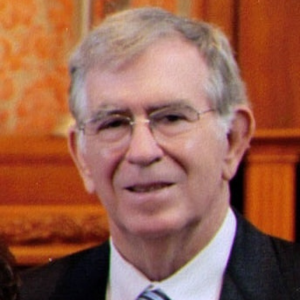
John Jenkins
John Whitmore Jenkins is a policy advisor for The Heartland Institute on energy policy.
Jenkins the author of three books: “The Blessed Generation: Fifty Years on the Cutting Edge of Rapid Change,” “Looking Through a Class Darkly: Divided America and the Gathering Storm,” and “The Earth After NET ZERO 50: What Happens After the Lights Go Out?” After receiving his Bachelor of Science degree in Civil Engineering from Texas A&M University, Jenkins entered the U.S. Air Force as a lieutenant serving as a pilot with the Strategic Air Command during the height of the Cold War. After leaving the Air Force, Jenkins then entered Harvard Business School and received an MBA in Marketing and Finance.
Since than Jenkins worked at IBM company helping to install the first computers in Dallas area hospitals and was named the outstanding medical sales team in the IBM company, leaving to found his own firm, Information Management Associates, Inc. which among other projects, a data center for the over thirty Texas Rural Electric Cooperatives in Austin expand its business into Europe when it established and managed a programming shop in Paris, France, to modify the software to European Common Market standards and the required language translations. IMA software was installed in companies on all six continents.
After a successful sale of IMA, Jenkins served as president and CEO of a high-tech medical equipment company in Dallas, which expanded its business into the United Kingdom. He also worked with and competed with various manufacturing companies in China, producing and selling products designed and patented by Jenkins.
Jenkins’ ongoing relationship with Texas A&M has been through the Student Conference on National Affairs (SCONA), now in its 71st year, as a frequent speaker and advisor. As its first Chairman, he cofounded this four-day conference, which hosted 120 delegates from 60 universities to discuss world affairs. His contact with Harvard has been through friendly communications and a meeting with the Editor of the Harvard Magazine after he featured three of his Letters to the Editor. His most recent letter questioned the University’s recent Chinese affiliation in promoting man-made global warming, and Jenkins debunked those false claims during a campus visit with the business school professor in charge of promoting them.
What's New


Heartland Newsletters
The Heartland Institute offers free email subscriptions to all of its newsletters and monthly public policy newspapers.
