Research and Commentaries
-

Research & Commentary: Right to Try Individualized Investigational Treatments Is the Future of Compassionate Health Care in New Jersey
Publication -Research and Commentaries -The Garden State is leading states this legislative session in advancing health care policy that holds the key to free market health care solutions. New Jersey Assembly Bill 2864, also known as the “New Jersey Right to Try-Plus Act” would expand access to individualized investigational treatments for patients with life-threatening or severely debilitating illnesses. The legislation […] -

Research & Commentary: New Jersey Considers Forced Labor Prevention Legislation to Add Morality to State Purchasing Power
Publication -Research and Commentaries -The New Jersey legislature is currently considering New Jersey Assembly Bill 1284, legislation that would create space between New Jersey and China, improve the global supply chain, and use the power of the state purse to prevent the use of forced labor in far corners of the world. New Jersey House Bill 1284 would prohibit New […] -

Research & Commentary: West Virginia Creates Space Between China and Forced Labor with New Legislation
Publication -Research and Commentaries -The West Virginia legislature is currently considering West Virginia House Bill 4586, legislation that would create space between West Virginia and China, improve the global supply chain, and use the power of the state purse to prevent the use of forced labor in far corners of the world. West Virginia House Bill 4586 would prohibit West […] -
Research & Commentary: Bill Would Protect South Dakotans from ESG Lending and De-Banking Discrimination
Publication -Research and Commentaries -Legislation in the South Dakota House of Representatives would combat environmental, social, and governance (ESG) scores by prohibiting lenders from discriminating against organizations based on social credit or value-based standards like ESG. Environmental, social, and governance (ESG) scores are essentially a risk assessment mechanism increasingly being used by investment firms and financial institutions that force […] -

Research & Commentary: Oklahoma Bill Would Protect Sooners from ESG Lending and De-Banking Discrimination
Publication -Research and Commentaries -Legislation in the Oklahoma House of Representatives would combat environmental, social, and governance (ESG) scores by prohibiting lenders from discriminating against organizations based on social credit or value-based standards like ESG. Environmental, social, and governance (ESG) scores are essentially a risk assessment mechanism increasingly being used by investment firms and financial institutions that force companies, […] -
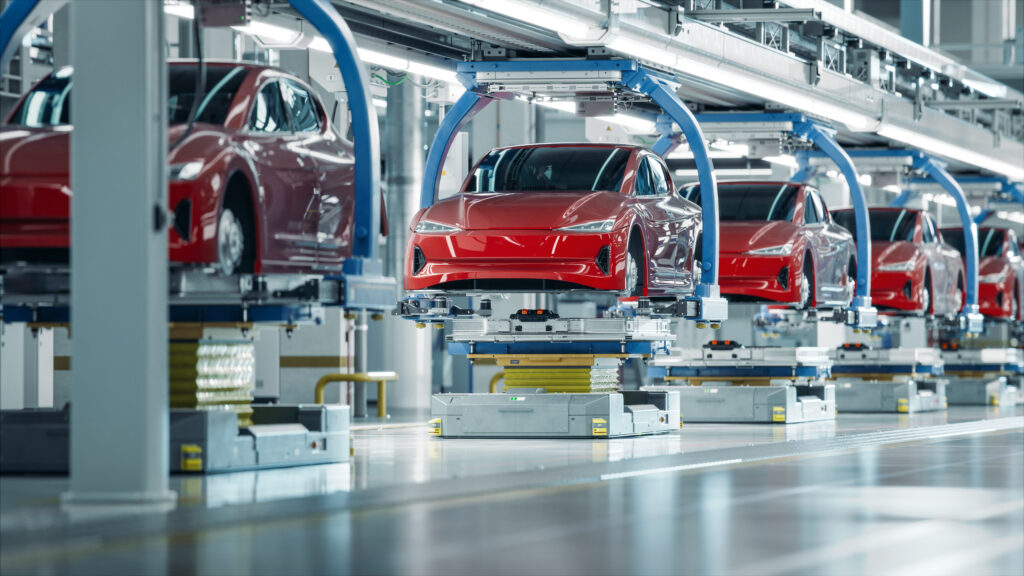
Research & Commentary: Oklahoma Considers Forced Labor Prevention Legislation to Add Morality to State Purchasing Power
Publication -Research and Commentaries -The Oklahoma legislature is currently considering Oklahoma House Bill 3436, legislation that would create space between Oklahoma and China, improve the global supply chain, and use the power of the state purse to prevent the use of forced labor in far corners of the world. Oklahoma House Bill 3436 would prohibit Oklahoma from procuring electric vehicles […] -
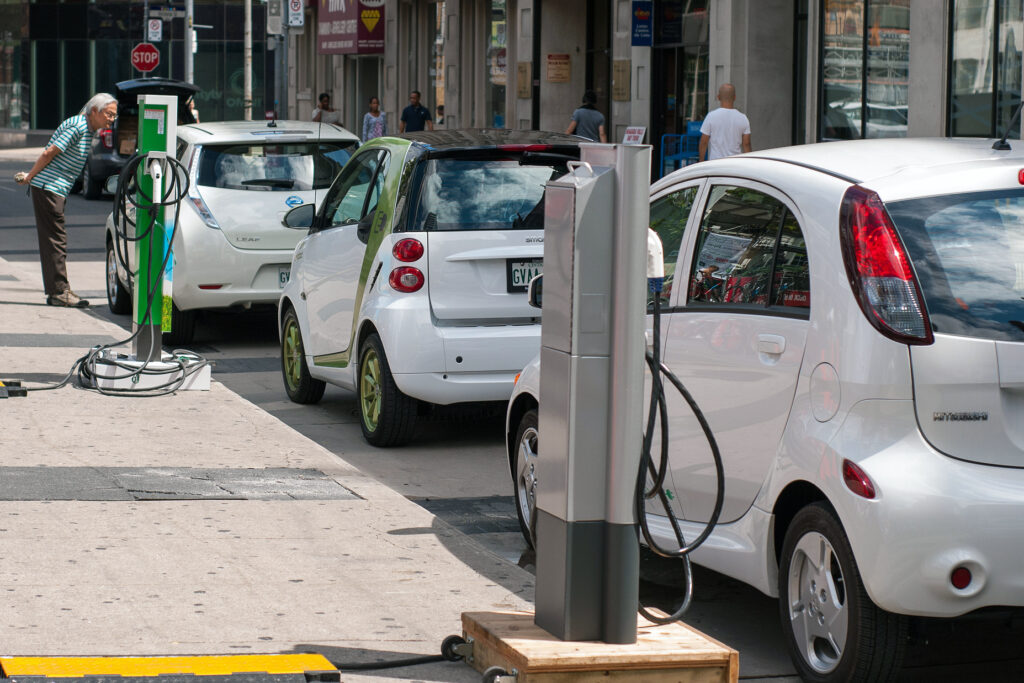
Research & Commentary: Missouri Considers Forced Labor Prevention Legislation to Add Morality to State Purchasing Power
Publication -Research and Commentaries -The Missouri legislature is currently considering Missouri House Bill 2691, legislation that would create space between Missouri and China, improve the global supply chain, and use the power of the state purse to prevent the use of forced labor in far corners of the world. Missouri House Bill 2691 would prohibit Missouri from procuring electric vehicles […] -

Research & Commentary: Right to Try Individualized Investigational Treatments Is the Future of Compassionate Health Care in Oklahoma
Publication -Research and Commentaries -The Sooner State is leading states this legislative session in advancing health care policy that holds the key to free market health care solutions. Oklahoma Senate Bill 1844 is legislation that would expand access to individualized investigational treatments for patients with life-threatening or severely debilitating illnesses. The core principle in this legislation is the right of any […] -
Research & Commentary: Right to Try Individualized Investigational Treatments Is the Future of Compassionate Health Care in West Virginia
Publication -Research and Commentaries -West Virginia is leading states this legislative session in advancing health care policy that holds the key to free market health care solutions. West Virginia House Bill 4610 is legislation that would expand access to individualized investigational treatments for patients with life-threatening or severely debilitating illnesses. The core principle in this legislation is the right of any […] -

Research & Commentary: Right to Try Individualized Investigational Treatments Is the Future of Compassionate Health Care in New Hampshire
Publication -Research and Commentaries -New Hampshire is leading states this legislative session in advancing health care policy that holds the key to free market health care solutions. New Hampshire House Bill 1735 is legislation that would expand access to individualized investigational treatments for patients with life-threatening or severely debilitating illnesses. The core principle in this legislation is the right of any […] -

Research & Commentary: Escalator Provision Bump in Tennessee ESA Program Would Help More Families Utilize Education Choice
Publication -Research and Commentaries -Legislation in the Tennessee House of Representatives would bump up the enrollment cap the Tennessee Education Freedom Scholarship Act (TEFSA), the Volunteer State’s universal education savings account (ESA) program, from 25,000 to 40,000. According to the 2026 EdChoice Friedman Index—a measuring system by the titular education reform organization, which is designed to measure how much educational […] -

Research & Commentary: Wisconsin Legislation Would Protect Badger State Ratepayers from Absorbing Costs of New Data Centers
Publication -Research and Commentaries -Legislation making its way through the Wisconsin Legislature would require the Wisconsin Public Service Commission (PSC) to block new data center projects from passing along cost overruns from the construction of electric infrastructure to Badger State ratepayers. To stop this socializing of costs, the bill instructs the PSC to “ensure in rate-making orders that no […] -
Research & Commentary: New Hampshire Bill Would Protect State Pension Funds and Granite Staters’ Retirement Savings From ESG
Publication -Research and Commentaries -Legislation in the New Hampshire House of Representatives would combat environmental, social, and governance (ESG) scores by mandating public retirement systems in the Granite State, as well as their investment managers and proxy advisors, prioritize objective financial factors in investment decisions. ESG scores are essentially a risk assessment mechanism increasingly being used by investment firms and […] -

Research & Commentary: Magnolia Student Accounts Would Be a Boon to Mississippi Families
Publication -Research and Commentaries -Legislation introduced in the Mississippi House of Representatives would set up “Magnolia Student Accounts” (MSA), an education savings account (ESA) program open to all Mississippi K–12 students. These accounts would cover tuition, fees, and curricula for eligible children at private and parochial schools, as well as textbooks, uniforms, private tutoring services, school-provided extracurricular activities, and […] -
Research & Commentary: Michigan Bill Would Protect State Pension Funds and Michiganders’ Retirement Savings From ESG
Publication -Research and Commentaries -Legislation in the Michigan House of Representatives would combat environmental, social, and governance (ESG) scores by mandating public retirement systems in Michigan, as well as their investment managers and proxy advisors, prioritize objective financial factors in investment decisions. ESG scores are essentially a risk assessment mechanism increasingly being used by investment firms and financial institutions that […] -

Research & Commentary: Right to Try Individualized Investigational Treatments Is the Future of Health Care in the States
Publication -Research and Commentaries -As 2026 approaches, now is the time to reflect on the victories from the year and the lessons to be taken moving forward. Right to try legislation is at the front of the list when it comes to free market health care solutions. While federal right to try legislation was signed into law on May 30, […] -
Research & Commentary: Wolverine State Legislation Would Protect Michigan Farmers from Discriminatory ESG Debanking
Publication -Research and Commentaries -Legislation recently introduced in the Michigan House of Representatives would combat environmental, social and governance (ESG) scoring systems and ensure Michigan farmers are not discriminated against by banks based on environmental policy. ESG scores are essentially a risk assessment mechanism increasingly used by investment firms and financial institutions that force companies and agricultural concerns to focus […] -
Research & Commentary: Credit Union Act Would Provide Protection from ESG for Michigan Farmers
Publication -Research and Commentaries -Legislation recently introduced in the Michigan House of Representatives, the Credit Union Act, would combat environmental, social and governance (ESG) scoring systems and ensure Michigan farmers are not discriminated against by credit unions based on environmental policy. ESG scores are essentially a risk assessment mechanism increasingly used by investment firms and financial institutions that force companies […] -

Research & Commentary: Briefs Point Out Unnecessary Consumers Costs and Environmental Damage of Renewable Fuel Standard
Publication -Research and Commentaries -The R Street Institute has produced two briefs on the Renewable Fuel Standard (RFS) detailing the consumer costs and negative environmental impacts. A part of the Energy Policy Act of 2005, expanded through 2007’s Energy Independence and Security Act and administered by the Environmental Protection Agency (EPA), RFS required 36 billion gallons of “renewable” fuel sources such as ethanol […] -

Research & Commentary: Analysis Finds West Virginia’s Hope Scholarship Program Delivered $27 Million in Net Fiscal Benefits in 2024
Publication -Research and Commentaries -The Hope Scholarship Program, an education savings account (ESA) program that goes fully universal for the 2026–27 school year, was launched in 2022. -

Research & Commentary: Ohio Legislation Focuses on Safeguarding Affordable, Reliable, and Clean Electric Power in the Buckeye State
Publication -Research and Commentaries -Legislation recently introduced in Ohio provides guidance to the state’s Power Siting Board on the intent of the General Assembly that the energy powering the Buckeye State should be “affordable, reliable and clean” and the energy produced and the manner in which it is produced shall rely on domestically sourced materials and “minimize reliance” on […] -

Research & Commentary: Polling Shows American Parents Still Hungry for Education Choice Options
Publication -Research and Commentaries -New polling from both EdChoice and the American Federation for Children (AFC) shows the education choice revolution that has been sweeping the states since the beginning of the decade shows no sign of abatement or declining popularity among parents of school-aged children, or of the public at large. EdChoice’s poll, the latest in its annual […] -
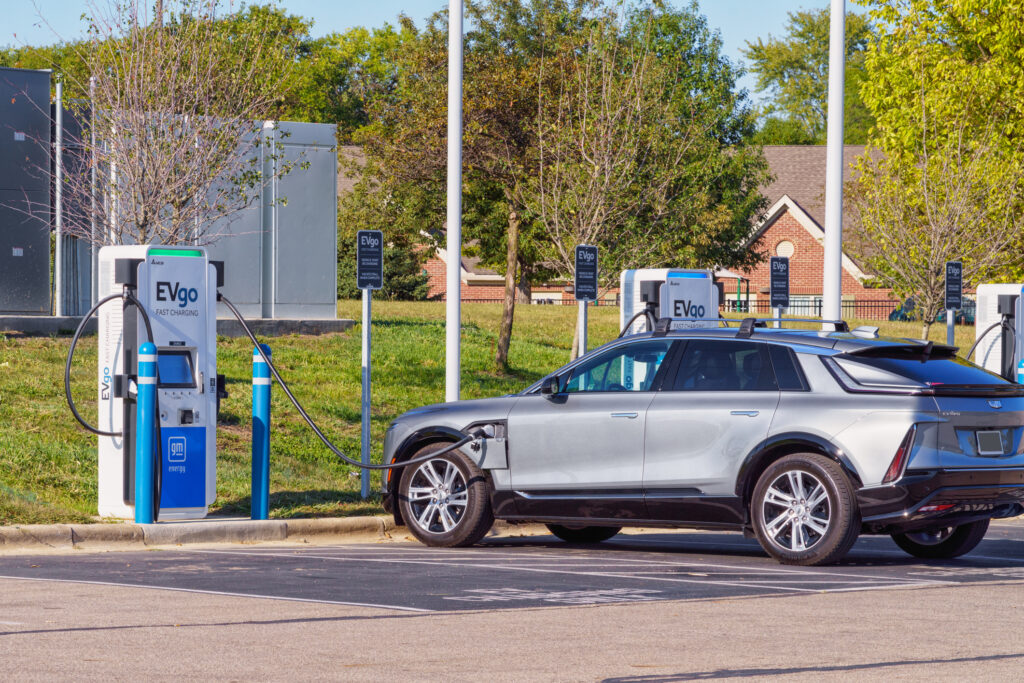
Research & Commentary: Indiana Should Introduce Forced Labor Prevention Legislation Next Session
Publication -Research and Commentaries -During the 2025 legislative session, Arkansas passed landmark legislation that creates space between Arkansas and China, improves the global supply chain, and uses the power of the state purse to prevent the use of forced labor in far corners of the world. House Bill 1683 prohibits Arkansas from procuring electric vehicles (EV) or EV components that were […] -
Research & Commentary: Illinois Should Introduce Forced Labor Prevention Legislation Next Session
Publication -Research and Commentaries -During the 2025 legislative session, Arkansas passed landmark legislation that creates space between Arkansas and China, improves the global supply chain, and uses the power of the state purse to prevent the use of forced labor in far corners of the world. House Bill 1683 prohibits Arkansas from procuring electric vehicles (EV) or EV components that were […]
