A renowned radiation oncologist trying to help a woman in California suffering from a rare bleeding disease is appealing their failed court challenge to the Golden State’s restrictions on telehealth.
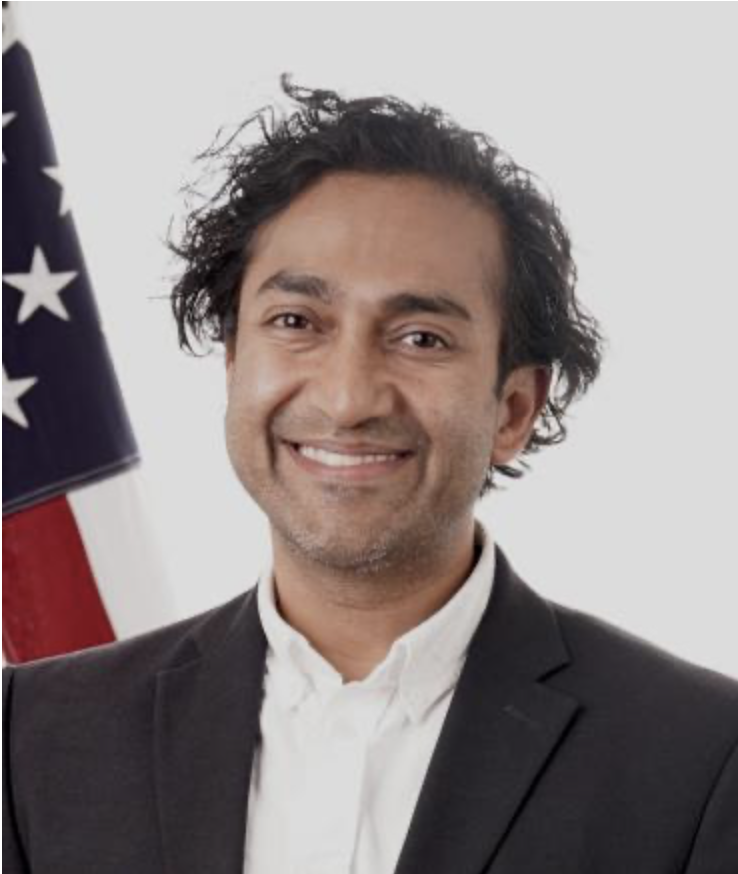
The plaintiff is Sean McBride, M.D., of Memorial Sloan Kettering Cancer Center in New York. The patient, Shellye Horowitz, lives in a small California coastal town, where no physician is qualified to treat hemophilia A, a rare disorder affecting women and girls. When Horowitz sought out a hemophilia center in Portland, Oregon, doctors there refused to speak with her by phone or Zoom because they didn’t want to violate the California law.
A federal district court in California last year ruled in favor of the California Medical Board, saying such consultations are “treatment, not speech,” and that state law can regulate professional conduct.
The case, McBride et al. v. Hawkins, will be heard before the U.S. Court of Appeals Ninth Circuit.
The Pacific Legal Foundation (PLF), a public-interest nonprofit organization based in Sacramento, California, is representing McBride in the case and appeal.
Arguing First Amendment
“It appears that even discussing a patient’s health and diagnosis, to determine whether they should travel to his practice in New York to obtain treatment, is criminal,” states an amicus brief filed by the Washington, D.C.-based Cato Institute, a PDF version of which has been obtained by Health Care News.
Arguing the district court erred in treating telehealth as conduct instead of speech, the Cato brief says Horowitz and McBride “seek only to engage in private patient-doctor communications, and a law restricting these communications must comply with the First Amendment.”
Cato advises the court to “consider the public harm of overinclusive telehealth rules.”
“Specifically, research demonstrates that telehealth leads to better health outcomes, especially for patients in underserved communities and for patients with rare conditions,” the brief states.
Criminalizing Conversation
The California restrictions go beyond safety protections and endanger patients’ health, Cato argues.
“While the state has a legitimate interest in protecting residents from unqualified physicians, criminalizing patient-doctor communications prevents residents from learning about services from licensed specialists outside the state,” the brief states.
California is one of 30 states that prevent patients from speaking with out-of-state physicians via telehealth. Doctors who violate this mandate by consulting virtually with out-of-state patients in need of care face criminal charges and stiff fines that could jeopardize their professional standing. During the pandemic, some of these restrictions were lifted, but they have been reimposed.
“The licensing restrictions make no sense in our rapidly advancing digitalized world,” said AnneMarie Schieber, editor of Health Care News, who dealt with such a licensing restriction herself.
“Face-to-face medical attention, either in person or by telehealth, is best,” said Schieber. “Given provider shortages, if we don’t fix these restrictions, AI will be our next best alternative, and I don’t think many people want to replace personal health care professionals with a robot.”
Restricting Doctors, Patients
The lower court’s ruling that communication is the same as treatment puts doctors in a category different from other professionals, says Brent Skorup, a legal fellow at the Cato Institute’s Robert A. Levy Center for Constitutional Studies.
“Dr. McBride is an oncologist; Ms. Horowitz has a severe blood disorder,” said Skorup. “Leaving aside whether some types of medical treatment can be administered virtually, we think the trial court was clearly wrong in characterizing communications about cancer and blood disorder as ‘treatment’ for cancer or blood disorder.
“Americans should be free to have honest, personalized conversations with licensed professionals—whether it’s a doctor, lawyer, or veterinarian—or potential clients, no matter where they live,” said Skorup.
Doing Harm
Doctors are taught to do no harm, yet California’s Medical Board is hurting patients, says Caleb Trotter, a senior attorney at PLF.
“California’s telehealth restrictions aren’t protecting patients; they are actively blocking them from accessing critical expertise when they need it the most,” said Trotter. “The Constitution doesn’t allow the government to criminalize a doctor for simply having a conversation with a patient, especially when that conversation could be lifesaving.”
The outcome of the California case will have implications for similar restrictions on telehealth in other states. A ruling in favor of McBride could set a legal precedent for challenging such laws wherever they are on the books.
Bonner Russell Cohen, Ph.D., ([email protected]) is a senior fellow at the National Center for Public Policy Research.

Bonner R. Cohen is a senior fellow with the National Center for Public Policy Research, a position he has held since 2002.