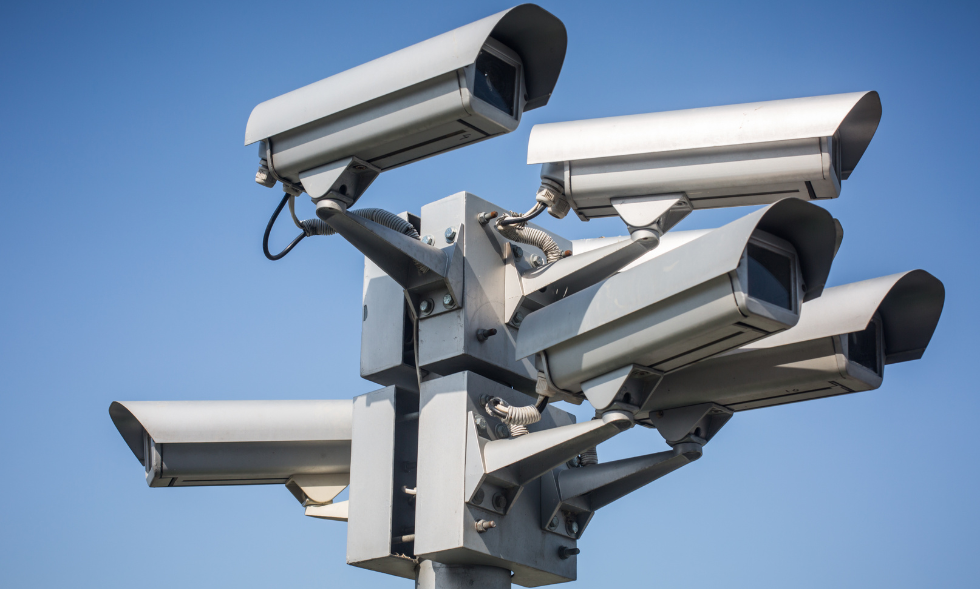
The cameras record everyone who passes. Police should need a warrant before turning that mass collection into a searchable history of your movements.
Cities and states are moving quickly in response to concerns about governments’ expanding use of public surveillance cameras, automated license plate readers, audio detection devices, and similar tools. That is healthy. The country needs a serious debate over when crime prevention becomes pervasive surveillance.
Flock Safety says its AI-assisted network includes more than 120,000 cameras in 49 states and processes some 20 billion license plates each month, along with other vehicle characteristics. Public resistance has grown just as quickly.
On Monday, the Douglas, Massachusetts, Police Department announced it was discontinuing Flock cameras and immediately deactivated its monitoring accounts, citing a “divisive atmosphere” around the technology, Boston 25 News reported.
Other communities have restricted, suspended, or removed the cameras in Arizona, Florida, Kentucky, Massachusetts, and Wisconsin. Similar fights are under way in Louisiana, Michigan, Minnesota, and New York.

S. T. Karnick is a senior fellow and director of publications for The Heartland Institute.