Scientists say geology and infrastructure explain the disaster’s toll — but major outlets blamed climate change before the evidence is in
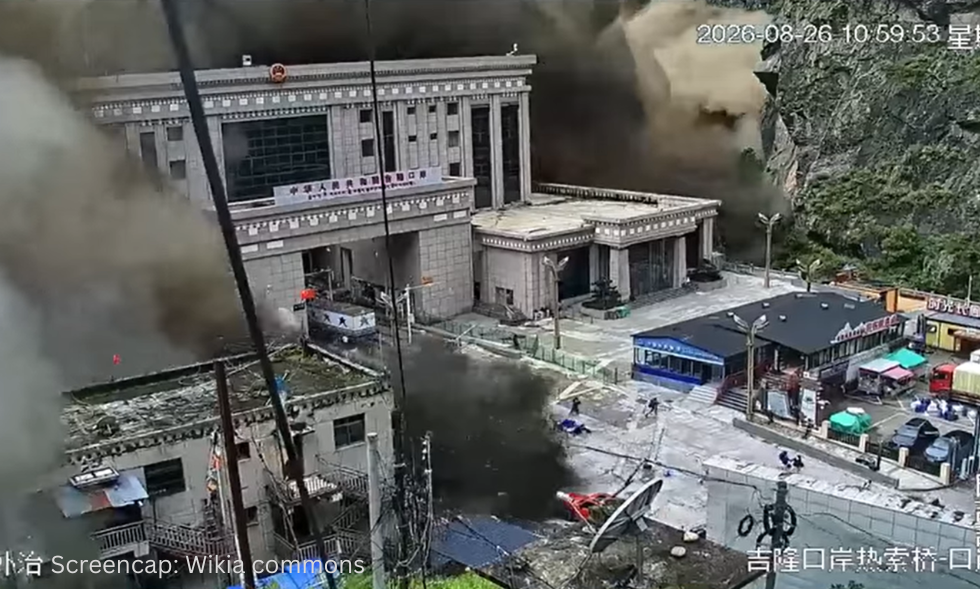
ARLINGTON HEIGHTS, IL (September 2, 2026) — The Heartland Institute’s senior fellow for environment and climate Anthony Watts is available for interviews about his forthcoming commentary examining how The New York Times, the Associated Press, and NPR framed the deadly Nepal glacier collapse and flash flood as a climate change story before investigators had determined the cause.
Watts argues that the disaster began with a bedrock collapse beneath a glacier in one of the world’s most tectonically active mountain ranges — a geological event, not a climate one — and that roads, bridges, hydropower projects, and settlements built directly in a known debris-flow corridor are what turned a natural hazard into a mass-casualty catastrophe.
Watts argues that rushing to blame climate change for every disaster — wildfires, hurricanes, floods, and now a glacier collapse — does a disservice to both science and the public, and diverts attention from practical fixes, like hazard mapping and early warning systems, which would save lives.
Watts wrote:
“The rush to explain every catastrophe through climate change may produce compelling headlines, but it rarely produces better science or understanding of it. When the evidence is still emerging, the most honest answer is also the simplest: we do not yet know. That is not a weakness; it is how science is supposed to work.”
On your program, Watts can discuss:
• Why major outlets declared climate change the cause of Nepal’s glacier collapse before investigators had even finished their work
• What the science points to: a bedrock and glacier failure in a young, tectonically active mountain range — a pattern with a long history, unrelated to industrialization
• How building roads, bridges, and hydropower plants inside a known debris-flow corridor — not climate change — turned a natural hazard into a mass-casualty disaster
• The recurring “publish first, ask questions later” pattern in climate journalism, from wildfires to hurricanes to floods
• Why hazard mapping, geological monitoring, and early warning systems — not emissions policy — are what would reduce future losses
Why Book Anthony Watts?
Anthony Watts is a meteorologist and senior fellow for environment and climate at The Heartland Institute. He operates wattsupwiththat.com, the most-viewed website in the world on climate and has spent decades scrutinizing climate science and media coverage of extreme weather and natural disasters. He is a seasoned, camera-ready guest who can translate complex scientific and meteorological issues into clear, compelling analysis for any audience.
To book Watts on your program, reply to this email or contact EVP & Director of Communications Jim Lakely at [email protected] or call/text 312-731-9364.
The Heartland Institute is a national nonprofit organization founded in 1984 and headquartered in Arlington Heights, Illinois. Its mission is to discover, develop, and promote free-market solutions to social and economic problems. For more information, visit our website or call 312/377-4000.

Anthony Watts is a senior fellow for environment and climate at The Heartland Institute.