The Democratic Socialists of America (DSA), “the largest socialist organization in the United States,” ran more than 200 candidates in local, statewide, and federal races in the 2026 midterm elections compared to only 51 in the 2024 general election and 132 in the 2022 midterm elections.
In general, DSA members ran on the economy and cost of living, promising a quick fix of “free” stuff to the affordability crisis.
This year, unlike in previous campaigns, the DSA launched a policy platform called the Workers Deserve More Program.
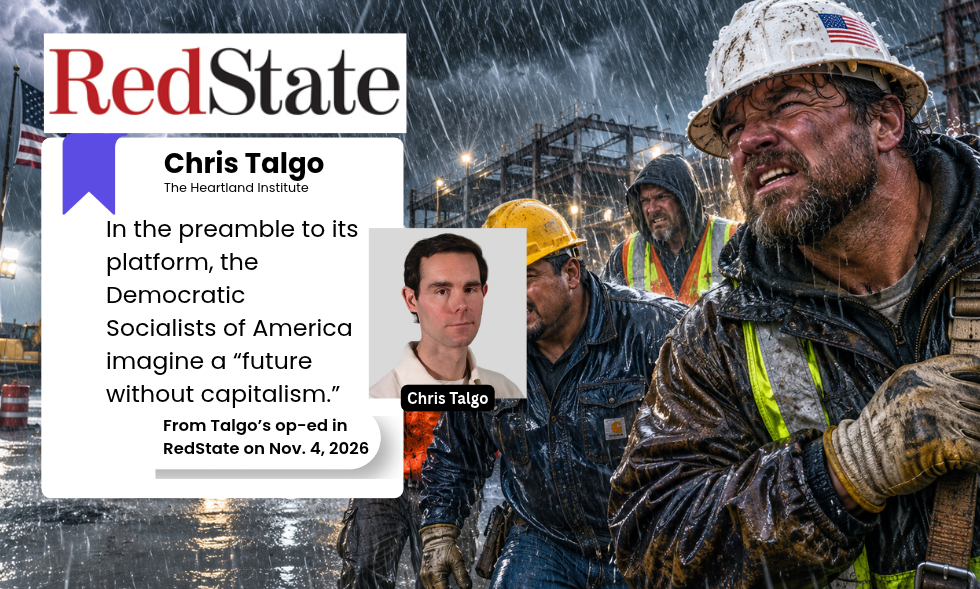
In the preamble to the platform, the DSA imagines a “future without capitalism.”
“You have no debt. You don’t need health insurance. You don’t pay a mortgage or have a landlord, because comfortable housing is a human right. Your retirement is publicly funded. Food, education, energy, medicine, and transportation aren’t for-profit businesses; they are common goods and utilities.”
That might sound like a decent deal for Americans who are drowning in credit card debt, living paycheck to paycheck, or have not saved enough for their retirement years.
But those are just socialist slogans that sound too good to be true because they are indeed too good to be true.
For a more in-depth analysis, here are the central economic tenets of the DSA’s midterm message.
“Establish paid family leave for all workers, a 32-hour work week with full pay and benefits, and a living minimum wage.”
“Provide free, quality public education from pre-K to college and cancel all student debt.”
“Guarantee universal healthcare at no cost to individuals.”
“Build new, publicly-owned social housing” and “establish universal rent control.”
“Enact reparations.”
“Pass a federal jobs guarantee.”
“Phase out the use of fossil fuels.”
“Implement massive investment in sustainable, publicly owned energy.”
“Establish public ownership of the largest corporations.”
“Enact aggressive wealth taxes on the richest individuals and corporations.”
Although the DSA provides no cost assessment for its Workers Deserve Program, experts at the Cato Institute did a deep dive and estimate that it would cost up to “$212 trillion in new spending over the next decade.”
For perspective, the entire global economy this year is $128 trillion.
The United States, by far the largest economy in the world, has a GDP of $32 trillion this year. But the United States also has a $40.2 trillion national debt, and the federal government’s budget has not been balanced in decades.
This year alone, the annual budget deficit is more than $1.9 trillion, which includes more than $1 trillion in debt service payments.
Total federal spending this year has surpassed $7 trillion, with Social Security, Medicare, and Medicaid eating up approximately 40 to 45 percent.
But those mandatory spending programs are growing far faster than GDP, meaning that they will consume more of the federal budget as time goes on. One more thing: these programs are all on the brink of insolvency, too.
Read the rest at RedState.

Chris Talgo is the Editorial Director for The Heartland Institute and a fellow for Heartland’s Glenn C. Haskins Emerging Issues Center.