Social media, smartphones, computers, and the many electronic devices that did not exist a century ago are being called “addictive.” A similar question is now being asked about the products made from crude oil that did not exist a few centuries ago: are we “addicted” to them, or is it simply our lifestyle choice not to live as people did before the 1800s?
We’d argue it’s neither. It’s something closer to functional necessity.
Crude oil, coal, and natural gas took hundreds of millions of years to form underground. On their own, they don’t serve people well: no one burns raw crude oil, and burning raw solid fuels like coal indoors for cooking and heating is a major cause of death today, linked to an estimated 2.9 million premature deaths a year from household air pollution.
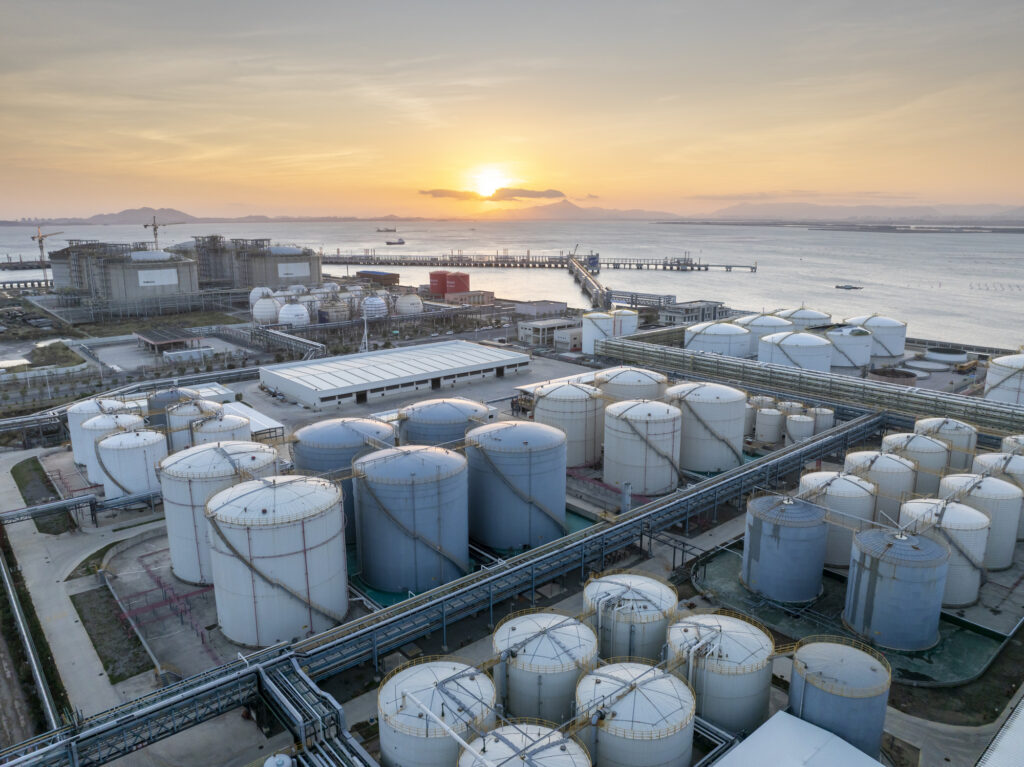
It takes a multi-billion-dollar refinery, a gasification plant, or a processing facility to convert Earth’s dormant resources into the usable transportation fuels and the more than 6,000 products that modern life depends on. Refining, gasification, and processing are not something to apologize for — they are the necessary process that turns a long-buried resource into something usable and safe. The same way a seed buried in soil needs water, sunlight, and carbon dioxide from the air before it becomes anything at all.
Planes, ships, trucks, and cars do not run on raw crude oil, either. They run on transportation fuels manufactured from crude oil, in refineries built for that purpose.
Wind turbines and solar panels only generate electricity. They cannot manufacture any of the products or transportation fuels that modern life depends on, including the transportation fuels and materials that support:
- Hospitals
- Airports
- Militaries
- Medical equipment
- Telecommunications
- Space programs
- Appliances and electronics
- Sanitation systems
- Heating and ventilating systems
- Transportation — vehicles, rail, ocean, and air
- Construction — roads and buildings
Nearly half the world’s population depends on synthetic fertilizers made from fossil fuels, without which global food production could not support today’s eight billion people.
In less than two centuries, human ingenuity developed more than 250 refining and processing techniques to convert crude oil, coal, and natural gas into products that never existed before: plastics, synthetic rubber, fertilizers, detergents, paints, pharmaceuticals, cosmetics, and fuels including LPG, gasoline, kerosene, diesel, lubricants, and asphalt.
These materials and fuels are the foundation of longer, healthier lives. In 1900, average life expectancy was 32 years; by 2021 it had more than doubled to 71 years, and today it exceeds 75. Global transportation, commerce, and even space programs are built on products refined from oil.
Anyone with energy literacy knows the scale involved: jet fuel for roughly 35,550 commercial aircraft and 100,000–150,000 daily flights. Diesel for trucks, trains, and construction equipment. Gasoline for roughly 1.7 billion vehicles. Bunker fuel for the 116,000 commercial ships that carry about 90 percent of world trade. Feedstock for fertilizer, pharmaceuticals, plastics, and synthetic fiber — including the materials used to manufacture wind turbines and solar panels.
Without a backup source to replace refineries, removing crude oil and the refineries that convert it into these products, with no substitute at hand, could be the greatest threat facing the world’s eight billion people — risking rising deaths from disease, malnutrition, and extreme weather among those trying to live without the more than 6,000 products currently made from oil.
So, is it addiction, or lifestyle choice? We’d suggest it’s neither. Addiction implies something pathological that we should be trying to quit. Lifestyle choice implies something arbitrary that we could just as easily give up. What actually happened is different: civilization scaled from one billion people to eight billion in less than 200 years because these products became available — not because anyone chose a certain lifestyle over a simpler one. That’s not addiction, and it’s not a preference. It’s functional necessity, and until there’s a substitute for what refineries manufacture from crude oil, it will remain one.

Ronald Stein is an internationally published columnist and energy consultant, and a policy advisor for The Heartland Institute.