The U.S. Department of Agriculture (USDA) has begun airdropping rabies vaccines into fields in several states as part of an ongoing campaign to reduce the spread of the disease in wild animals.
The USDA conducted operations in northeastern and mid-Atlantic states starting this summer, followed by drops in Alabama, Georgia, North Carolina, Tennessee, Virginia, and West Virginia in the fall. The most recently targeted states have large, forested areas. Incidents of rabies in animals in the United States are highest in the northeast and southwest.
Ongoing Campaign
Vaccinating wild animals against rabies goes back 70 years, states the historyofvaccines.org website. The current USDA distribution includes nearly 700,000 oral vaccines, with more than seven million baits distributed annually through the United States National Wildlife Rabies Management Program.
Rabies can be costly to humans. Each year, nearly one and a half million Americans receive treatment for possible exposure to rabies. Although rare, rabies is fatal to humans if left untreated. As a result of the vaccine distribution, now enhanced by the use of airplanes, the human death rate from rabies, although never high, has decreased by more than 90 percent.
In addition, the Centers for Disease Control and Prevention has launched the National Rabies Surveillance System to track cases to monitor changes in the spread of the disease.
Ounce of Prevention
The rabies control programs probably save taxpayers money, says Merrill Matthews, a health care economist and columnist for The Hill.
“In general, the country spends a lot more on preventive care than can be justified by the costs, except for a few practices,” said Matthews. “We can spend a lot more money on medical tests than we will save by catching and treating people early. That said, preventive care for several diseases is important and probably shouldn’t be measured by its cost-benefit analysis. Even though the rabies vaccination air drops may cost more than is justified in fewer rabies cases, I would think it is still worth it.”
Costly Treatment
Prevention through the government program is particularly beneficial to individuals who could incur high costs through post-exposure rabies treatment.
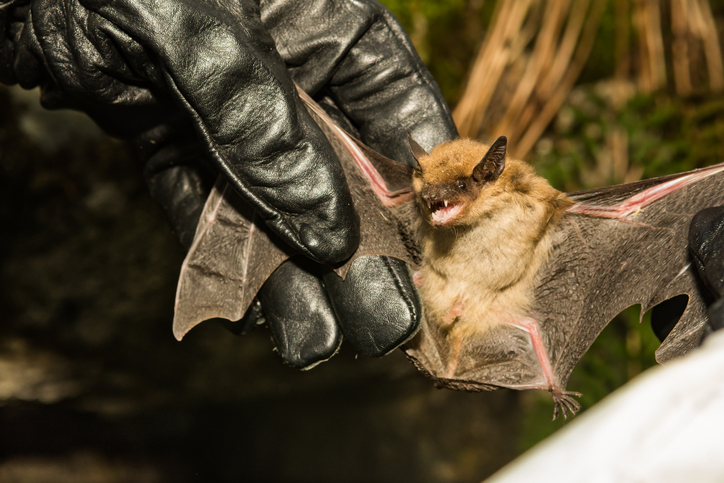
Erica Kahn, a biomedical engineer who was between jobs and health insurance plans, faced a $21,000 bill after she was bitten by a bat while hiking in Arizona, reported KFF Health News. Treatment for rabies involves a series of shots, and in her case, the shots were given by various medical centers with different billing practices.
“Charging uninsured, unemployed patients several times more than health plans pay also seems unfair,” wrote health care economist Devon Herrick on the Goodman Institute Health Blog.
“One mistake she made was not going to an outpatient clinic and negotiating a cash fee for the service before receiving care,” wrote Herrick. “However, patients should not have to bargain for care like in a third-world country. Neither should patients have to be on their guard to avoid getting ambushed by service providers.”
Ashley Bateman ([email protected]) writes from Virginia.